[paper citation] Shifting spore dispersal with climate change
Bryophytes: The Overlooked Climate Sentinels
ব্রায়োফাইটস: জলবায়ু পরিবর্তনের অবহেলিত প্রহরী
(বাংলা ভার্সন নিচে দেখুন)
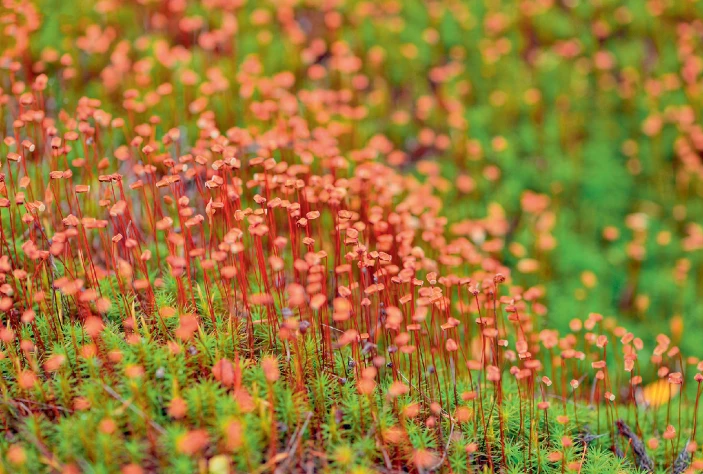
*Picture by Catherine Walker, Nature Plants (2025)
What are bryophytes?
Bryophytes are small, non-vascular plants that include mosses, liverworts, and hornworts. Unlike trees or grasses, they lack roots and instead absorb water directly from the atmosphere. Despite their size, they play crucial roles in ecosystems—helping with nutrient cycling, water retention, and even carbon storage. Yet, they’re often overlooked in ecological research compared to more “charismatic” plants.
Why does this matter?
Bryophytes are highly sensitive to climate change. In Arctic and subarctic regions—warming four times faster than the global average—they dominate the landscape, making them key indicators of environmental shifts. But how do they respond to rising temperatures?
A recent study in Journal of Ecology by Fia Bengtsson and colleagues offers answers. Using airborne environmental DNA from filters in northern Sweden, the team tracked bryophyte spore dispersal since the 1970s. The findings? A striking 3–6 week advance in spore release, outpacing phenological shifts in vascular plants, and coinciding with a 1.7 °C rise in mean annual temperature. End-of-season changes were less predictable, but some delays occurred.
Why it matters for ecosystems
These phenological shifts could lead to mismatches with colonization sites, threatening ecosystem stability. Often called “canaries in the coal mine,” bryophytes are early indicators of environmental change. This research reminds us that these small, overlooked plants hold big clues about our rapidly warming world.
[In Bngla]
ব্রায়োফাইটস: জলবায়ু পরিবর্তনের অবহেলিত প্রহরী
ব্রায়োফাইটস কী?
ব্রায়োফাইটস হলো ছোট, অ-ভাস্কুলার উদ্ভিদ—যার মধ্যে শৈবাল (moss), লিভারওয়ার্ট এবং হর্নওয়ার্ট অন্তর্ভুক্ত। এদের কোনো শিকড় নেই; তারা বায়ুমণ্ডলীয় আর্দ্রতা থেকে সরাসরি পানি শোষণ করে। আকারে ছোট হলেও, এরা পুষ্টি চক্র, পানি ধারণ এবং কার্বন সংরক্ষণে গুরুত্বপূর্ণ ভূমিকা রাখে। তবুও, অধিকাংশ পরিবেশগত গবেষণায় এদের প্রায় উপেক্ষা করা হয়।
কেন গুরুত্বপূর্ণ?
ব্রায়োফাইটস জলবায়ু পরিবর্তনের প্রতি অত্যন্ত সংবেদনশীল। আর্কটিক ও সাব-আর্কটিক অঞ্চলে—যেখানে তাপমাত্রা বৈশ্বিক গড়ের চেয়ে চার গুণ দ্রুত বাড়ছে—এরা প্রধান উদ্ভিদগোষ্ঠী। তাই এদের প্রতিক্রিয়া বোঝা জরুরি।
সম্প্রতি Journal of Ecology-এ প্রকাশিত ফিয়া বেংটসন ও সহকর্মীদের গবেষণায় এ বিষয়ে নতুন তথ্য পাওয়া গেছে। সুইডেনের উত্তরাঞ্চলে ১৯৭০-এর দশক থেকে ব্রায়োফাইটসের স্পোর ছড়ানোর সময়কাল পর্যবেক্ষণ করতে তারা বায়ু ফিল্টার থেকে সংগৃহীত পরিবেশগত ডিএনএ সিকোয়েন্সিং ব্যবহার করেছেন। ফলাফল চমকপ্রদ—স্পোর ছড়ানোর সময় ৩–৬ সপ্তাহ আগে শুরু হচ্ছে, যা ভাস্কুলার উদ্ভিদের তুলনায় বেশি দ্রুত। এই পরিবর্তন ১.৭ °C গড় বার্ষিক তাপমাত্রা বৃদ্ধির সঙ্গে সম্পর্কিত। মৌসুমের শেষের দিকে পরিবর্তনগুলো অনিয়মিত হলেও কিছু ক্ষেত্রে বিলম্ব দেখা গেছে।
এর প্রভাব কী?
এই ফেনোলজিকাল পরিবর্তনগুলো উপনিবেশ স্থাপনের সাইটের সঙ্গে অসামঞ্জস্য তৈরি করতে পারে, যা বাস্তুতন্ত্রের স্থিতিশীলতাকে হুমকির মুখে ফেলবে। ব্রায়োফাইটসকে প্রায়ই “কয়লার খনির ক্যানারি” বলা হয়—প্রাথমিক পরিবেশগত পরিবর্তনের সূচক হিসেবে। এই গবেষণা আমাদের মনে করিয়ে দেয়, ছোট হলেও ব্রায়োফাইটস আমাদের দ্রুত পরিবর্তনশীল জলবায়ুর বড় সংকেত বহন করছে।
পরিমার্জন ও পরিবর্ধনেঃ AI
লেখক: ড. আবু বকর ছিদ্দিক
পদবী: জৈব তথ্য বিশ্লেষক, গবেষক ও শিক্ষক,
সুইডিশ কৃষি বিশ্ববিদ্যালয় (SLU), উপসালা, সুইডেন
প্রকাশকাল: ০৮-১১-২০২৫



Leave a comment